
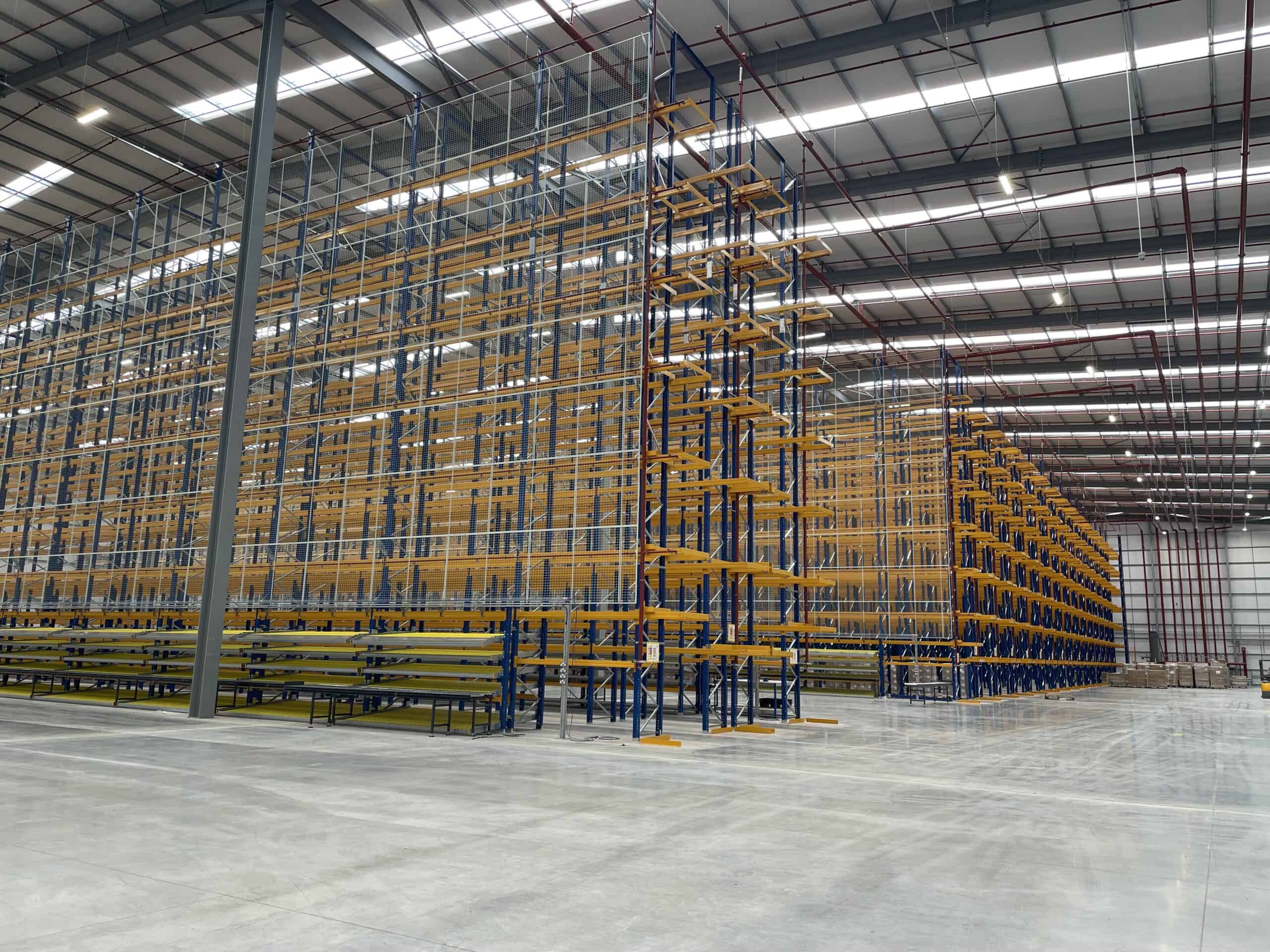
Good lighting does more than cut energy bills. It also affects the health, comfort, and productivity of the people beneath it. Whether an office, warehouse or factory, lighting is a daily experience that shapes how your workforce feels and performs. Yet too often it’s overlooked as a business driver.
In this article, we explore current research on modern workplace lighting. We also review real-world results. These show strong returns for people and businesses. We explain why lighting upgrades part of any workplace improvement plan should be.
Why Lighting Matters For People & Productivity
Lighting is more than illumination. It influences visual comfort, cognitive performance, safety, circadian rhythms and even mood. Poor lighting conditions, such as insufficient brightness, glare, flicker or uneven illumination, have been linked to:
- Eyestrain and headaches
- Reduced attention and slower task performance
- Increased error rates
- Disrupted sleep patterns and fatigue
- Increased risk of slips, trips and falls in industrial environments
In fact, research from industry bodies shows that poor workplace lighting can reduce productivity and wellbeing. This is especially true compared to places with better, well-designed lighting systems.
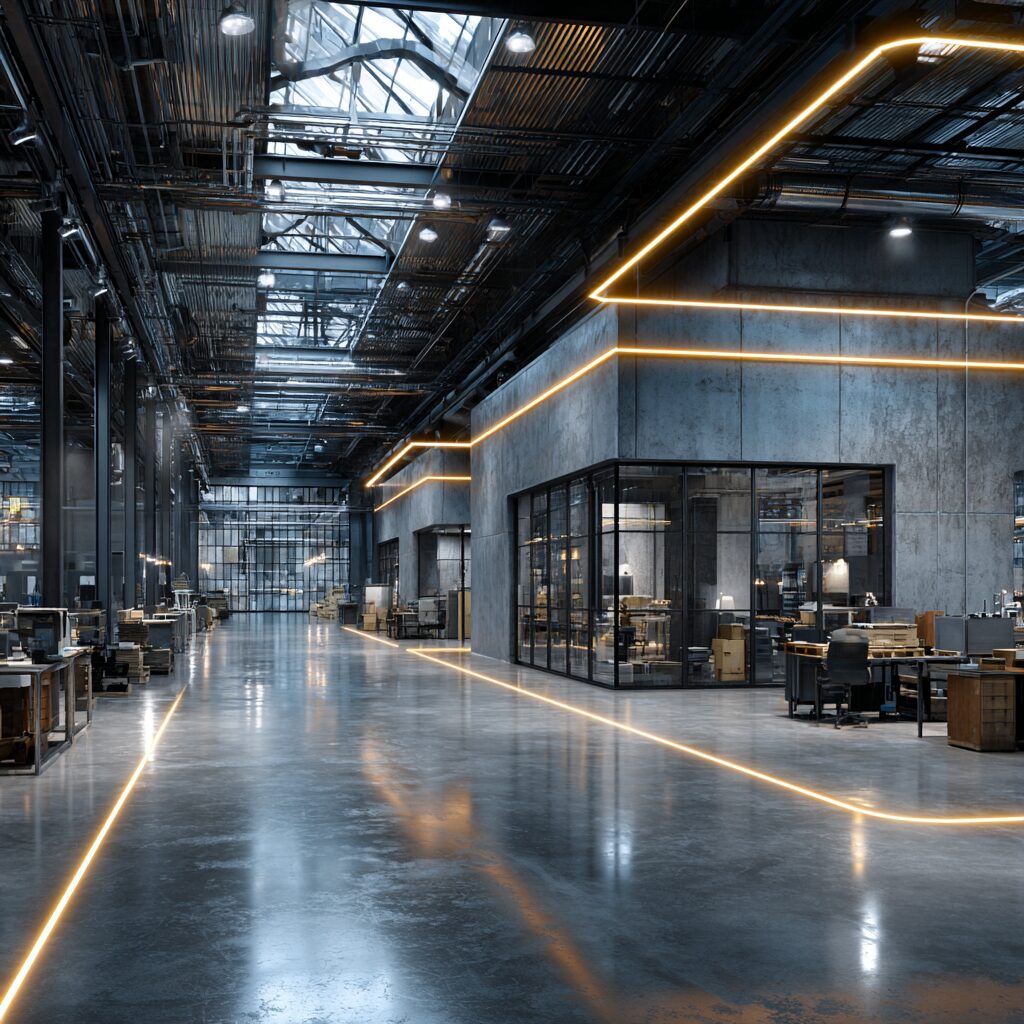
Better Lighting, Better Performance
A growing body of evidence supports what many facilities managers already know: lighting quality affects output. In both offices and industrial environments, optimised lighting supports:
Improved Focus & Reduced Visual Fatigue
Good lighting that fits the task, with enough lux, even spread, and little glare, helps employees work faster and more comfortably. Workers report less eye strain, fewer mistakes, and sharper focus when lighting supports their work. In warehouses and factories, clear visibility can mean smooth work or costly mistakes and near-miss incidents.
Enhanced Wellbeing & Alertness
Light influences our internal body clocks. Well-designed systems with the right colour temperatures all day can boost alertness and reduce tiredness, especially in winter. This has been shown to link to a better mood and less perceived fatigue.
It can lead to fewer short-term absences and stronger daily performance overall. Improving lighting quality can boost workplace wellbeing and help people feel more supported and valued.
The Commercial Case: Hard Numbers Behind The Human Impact
Investing in quality workplace lighting isn’t just about comfort, it’s measurable business value.
Productivity Gains
Across many commercial spaces, better lighting has been linked to productivity gains of 3–7% or more. This is most clear in tasks that need steady visual focus. For UK companies, this means employees produce more value during work hours and make fewer errors. Their environment supports their performance.
Lower Absence and Health-Related Costs
Better workplace lighting that reduces visual fatigue and physical strain contributes to fewer sick days and a healthier workforce. Improving the quality of light can help reduce headaches, tiredness and discomfort, conditions that all too often lead to reduced attendance or lower engagement at work.
Safety and Compliance Benefits
In industrial settings, increased illumination and uniformity reduce the risk of workplace accidents, a critical factor in health and safety performance. Light that clearly defines walkways, workstations and hazards supports safety compliance and minimises avoidable incidents.
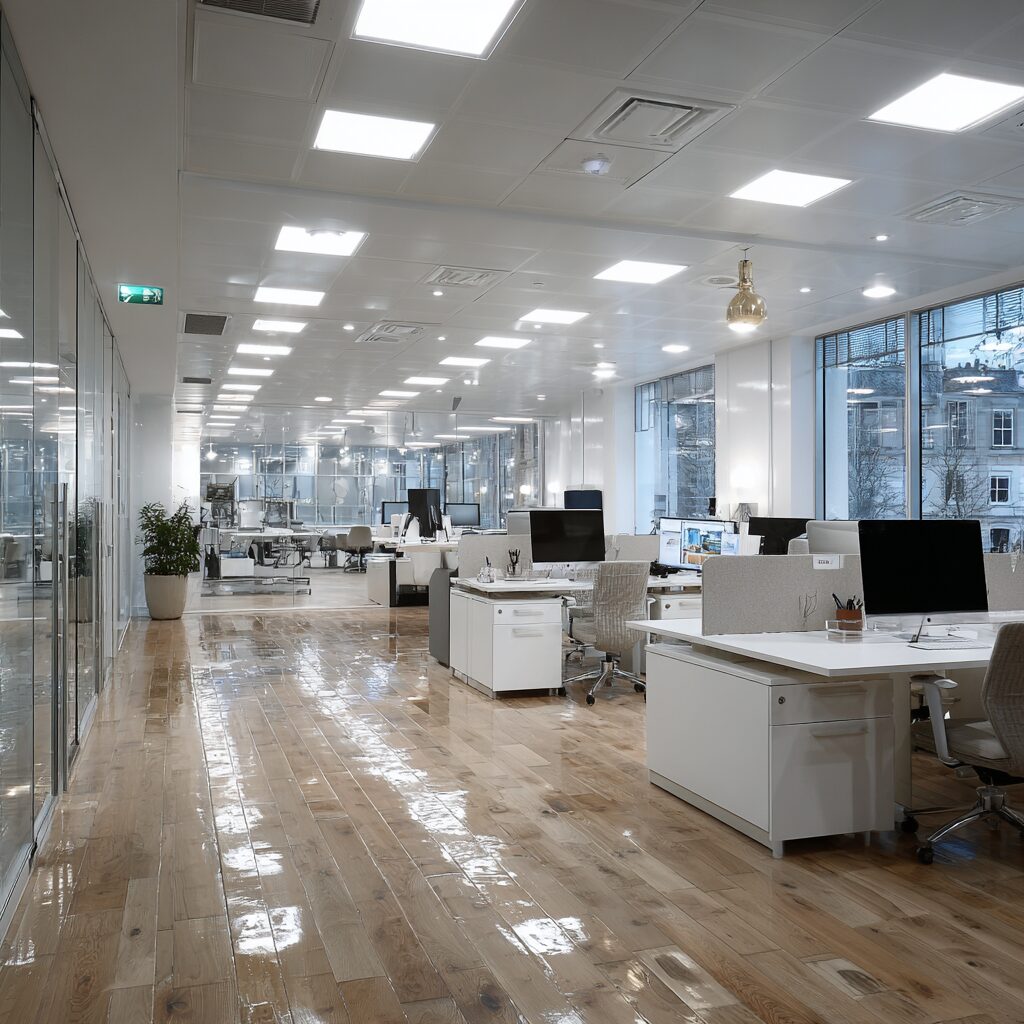
Why LED-Focused Upgrades Make Business Sense
Switching to LED office lighting wellbeing-centric systems is now widely recognised as best practice across commercial and industrial facilities.
LEDs offer:
- Significantly improved light quality (better colour rendering and control)
- Immediate illumination with no flicker or warm-up period
- Substantial energy savings and lower maintenance costs
- More flexible, controllable systems tailored to actual usage patterns
When you combine LEDs with intelligent controls (sensors, dimming, daylight response) you not only cut costs but also shape lighting that supports both people and operational requirements.
Lighting for Worker Comfort: What Good Looks Like
A human-centred lighting approach considers:
- Right lux levels aligned to tasks (e.g. higher for detailed inspection areas)
- Balanced colour temperatures that support alertness and wellbeing
- Glare-free design so employees aren’t compromised by eye strain
- Smart controls that adjust light according to occupancy and daylight
This isn’t just about brighter light; it’s about appropriate light that works with the way people live and work.
A Strategic Investment With Tangible Returns
Lighting is often hidden in plain sight, omnipresent, but rarely valued for its impact on human capability. When you align lighting strategy with workforce health and productivity goals, the results are powerful:
- More attentive, comfortable, and engaged teams
- Lower health-related costs and absenteeism
- Reduced risk and improved safety performance
- Energy and maintenance savings that support ROI
As the workplace continues to evolve, lighting must be recognised as a strategic asset, not a simple commodity. Ensuring your commercial space is lit to support people first is good for wellbeing and even better for business.
If you’d like to explore how workplace lighting productivity UK solutions can support your workforce health and performance goals, get in touch with the team at EcoLightingUK today.